

Planet-first biotechnology
Rooted in Himalayan plant systems
Origin Systems
Cultivation and harvesting operate within locally managed ecosystems, integrating ancestral plant knowledge with technology-enabled systems for traceability, resource management, and control of biological variability.
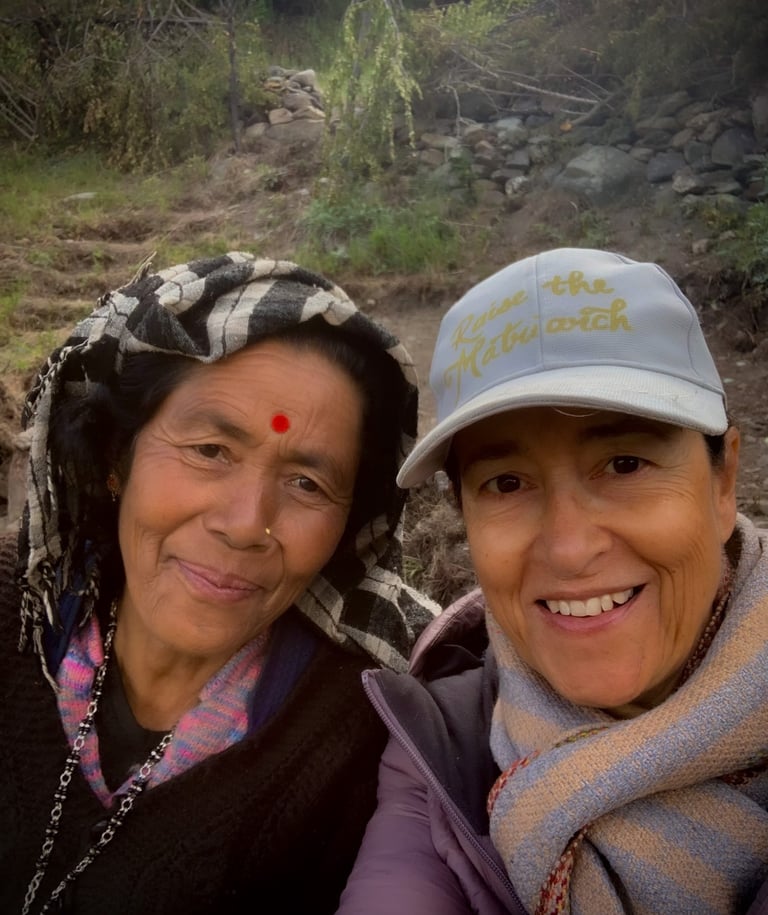
Built with indigenous female herbalists, restoring abandoned Himalayan ecosystems to regenerate and secure, premium botanical supply at source
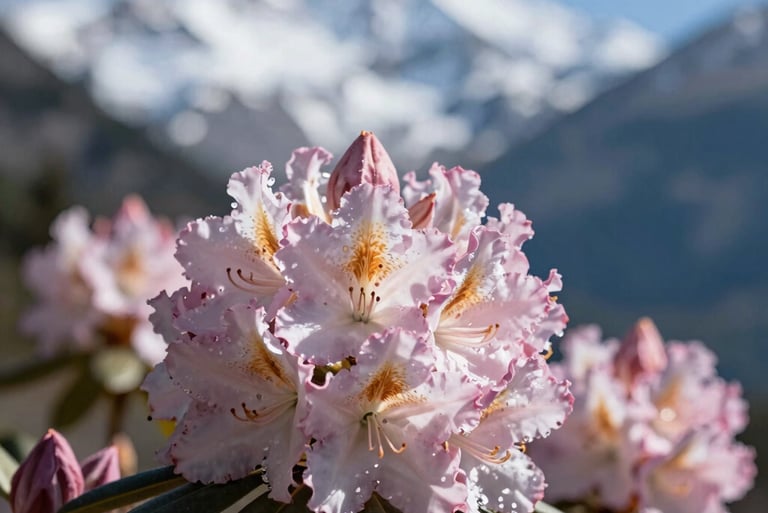

From soil to validation, built for reproducibility, traceability, and regulatory integration
Bioactive Outputs
for premium cosmetics & fragrances
01
Controlled Origin Inputs
Botanical material is cultivated and harvested, with managed ecosystems at source, ensuring defined inputs for extraction and reducing variability at the earliest stage of the supply chain
02
Scientific Rigor
Each batch is characterised, tested and documented to establish composition, safety, and reproducibility, generating the data required for regulated applications
03
ABS Compliance
Sourcing operates under Access and Benefit Sharing frameworks, with traceable origin, formal agreements, and defined benefit flows aligned with international requirements
04
Regulatory Alignment
Botanical materials are developed as defined inputs, not commodities, structured to meet regulatory expectations for composition, traceability, and downstream use
06
Scalable Supply Architecture
Enables transition from controlled cultivation to industrial volumes while maintaining origin integrity, traceability, and biological performance
05
Integrated Quality Systems
Quality control is embedded across the supply chain, ensuring batch consistency and preserving material integrity through controlled processes

Market Shift
The botanical supply chain cannot meet regulatory reality
Regulation now demands defined composition and traceability
Fragmented sourcing cannot deliver reproducible biological inputs
Botanical materials are shifting from commodities to controlled inputs

Impact is the direct outcome of system design
Sourcing operates in high-altitude Himalayan regions where cultivation villages were mostly abandoned. What remains is the knowledge of medicinal plants, held almost entirely by women, without economic recognition.
Cultivation is re-established through locally led practices aligned with seasonal cycles, species behaviour, and landscape conditions. This is supported by training in sustainable harvesting and capacity building in primary processing (drying, sorting, grading), enabling women to participate directly in the value chain.
As a result, herbalists move from invisible custodians to primary economic actors, generating consistent income in regions with limited opportunities. Land returns to use, knowledge remains in practice, and value stays at origin.
Regeneration, cultural continuity, and livelihoods emerge directly from the land and its true custodians.

Contact
For sourcing, partnerships and business opportunities.
contact@verdesombra.co.uk
© 2026 Verde Sombra. All rights reserved.
Verde Sombra Ltd
71-75 Shelton Street, Covent Garden, WC2H 9JQ London, UK